


D.C. is one of America’s most walkable cities — and once you know how it works, getting around is half the fun. From the Metro’s spotless stations to Capital Bikeshare and leisurely neighborhood walks, this guide covers every way to move around the city like a local.
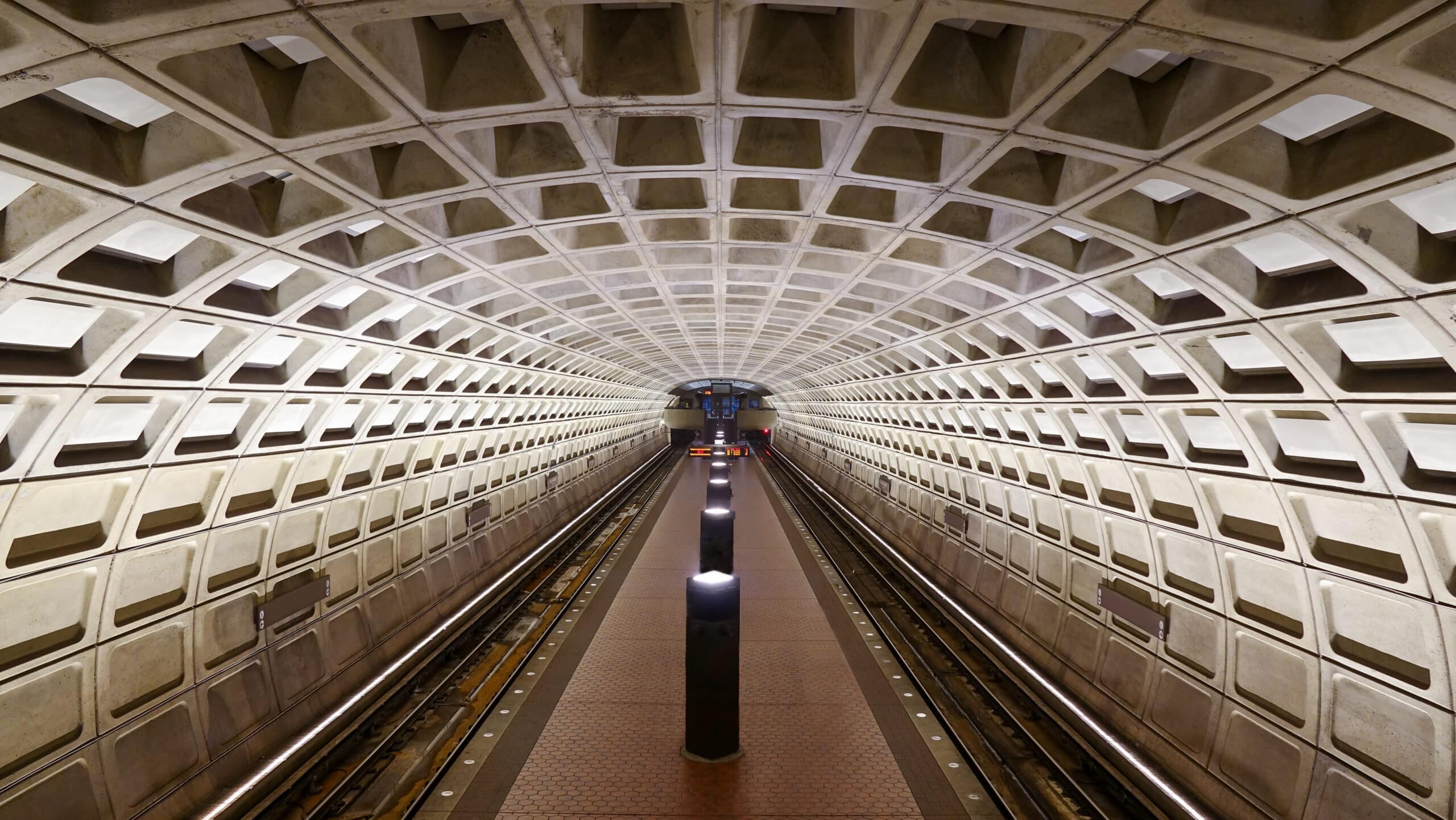
The Metro is safe, crazy clean, reliable, and covers nearly every major attraction — the Mall, Capitol Hill, Georgetown, Dupont, and beyond. Tap in and out using your smartphone or by purchasing a SmarTrip card on arrival. Fares are distance-based and usually under $3 per single ride, per passenger.
D.C. was designed to be walked. The National Mall stretches nearly 2 miles from the Capitol to the Lincoln Memorial, and most of the Smithsonian museums line the route. Our neighborhoods — Shaw, Logan Circle, Capitol Hill, Dupont — are all highly walkable.
Capital Bikeshare has stations throughout the city and is a great way to cover more ground without a car. They have electric and non-electric bikes. E-scooters are also widely available. Protected bike lanes connect many of the city’s main corridors, making it a surprisingly easy ride.
Uber & Lyft are widely available and useful for late-night trips or getting to spots Metro doesn’t easily reach. Surge pricing can apply during peak hours and major events, so budget accordingly. Traditional taxis are also plentiful, especially near major hotels and Union Station.
The DC Circulator is a flat-fee bus that connects popular areas the Metro doesn’t always reach easily — Georgetown, the waterfront, and the National Mall. Metrobus covers the rest of the city thoroughly. You can tap in using your phone or SmarTrip, but no need to tap out on buses.
Within D.C., a car is rarely necessary, and parking downtown can be expensive ($20–$40 per day). But if you’re planning a day trip to Virginia, Maryland, or Annapolis, having a car gives you real freedom. Most of our properties are in walkable neighborhoods and have parking pass options — ask for more info.
Local knowledge that makes navigating D.C. easier.
Get a SmarTrip card on day one. It works on Metro, Metrobus, and the DC Circulator — one card for the whole city, and it’s reloadable.
The Mall is bigger than it looks on a map. Plan to walk one end per morning — Capitol to Washington Monument, then Washington Monument to Lincoln. Don’t try to do it all in one go.
Neighborhoods are very walkable between each other. Shaw, Logan Circle, and Dupont Circle are all connected by pleasant streets — a 15-minute walk can feel like a whole different part of the city.
Avoid driving during rush hour. Weekday mornings and evenings see significant congestion. The Metro is almost always faster than a car between 7–9am and 4–7pm.
Georgetown has no Metro stop. It’s one of D.C.’s most visited neighborhoods — plan to walk from Foggy Bottom or take the DC Circulator instead.
Major events change everything. Inaugurations, marathons, and large protests can close streets and Metro stations. Check the local calendar before planning a big travel day.
We’ve been hosting guests in D.C.’s most walkable neighborhoods since 2009. One thing we always tell people: leave the car behind. The city reveals itself best on foot — turn a corner in Shaw or wander down a side street in Capitol Hill and you’ll find something that wasn’t on any itinerary.
Ready to explore the city?
Find a vacation rental in the heart of D.C. — steps from the Metro, the Mall, and everything in between.