


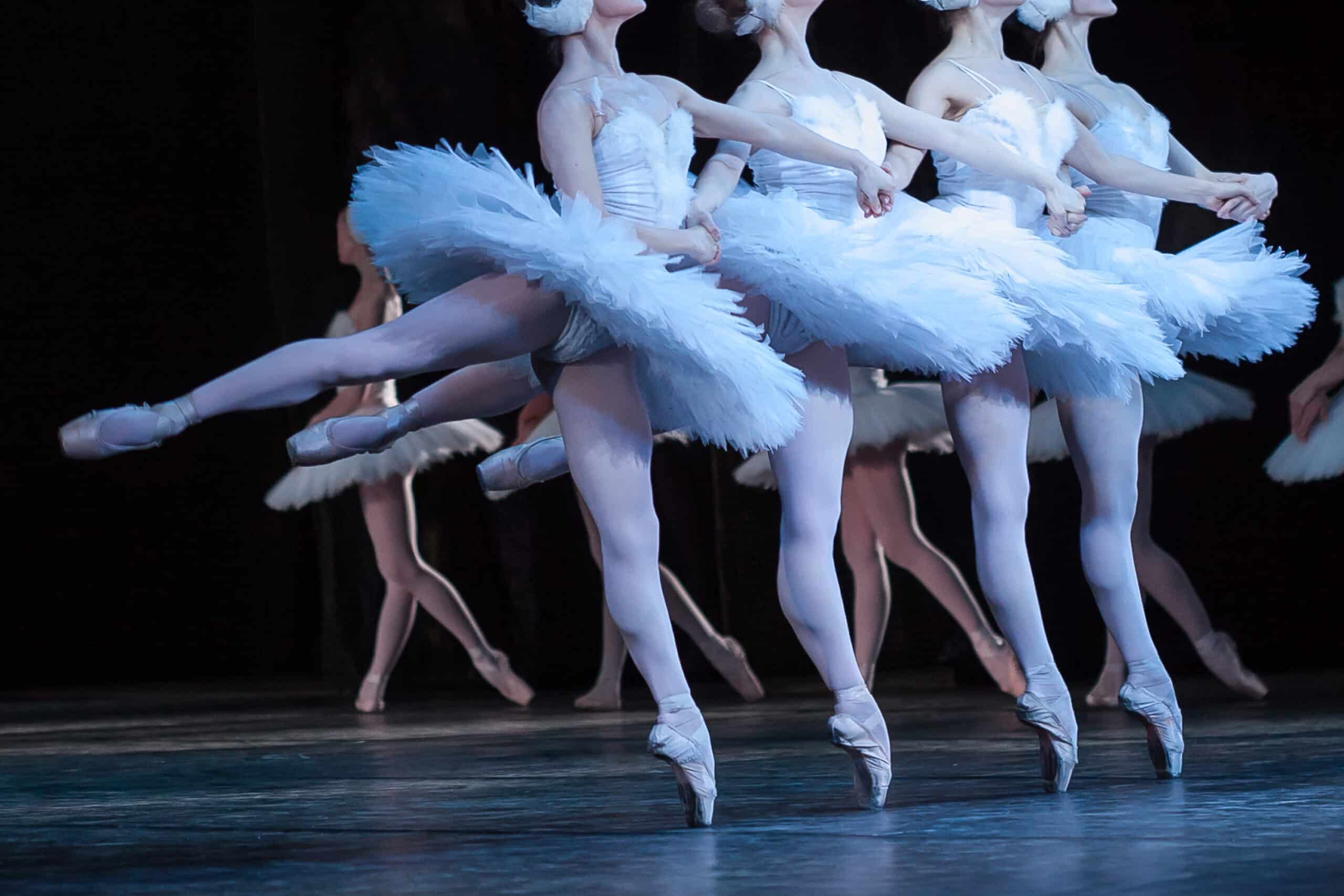
From the world-class stages of the Kennedy Center to intimate companies producing work that goes directly to Broadway, D.C. is a serious theatre city. It has a performing arts scene that rewards visitors who look beyond the monuments, and it offers free world-class performance every single evening of the year.
Washington D.C. operates in the shadow of New York when it comes to performing arts recognition, and the city’s theatre community has never quite shaken the perception that it plays second fiddle to Broadway. The reality is more interesting. D.C. has launched more Broadway productions than almost any other city outside New York, maintains a genuinely world-class national performing arts center, and sustains a cluster of mid-size and small companies that consistently produce some of the most adventurous theatre in the country.
The Kennedy Center alone would make D.C. a significant performing arts destination. But the city also has Ford’s Theatre, one of the most historically significant stages in America; Arena Stage, which helped define the regional theatre movement; Woolly Mammoth, which The New York Times has called Washington’s most daring theatre company; and the Shakespeare Theatre Company, which operates two beautiful venues and presents classical work at the highest level. An evening at any of them is a genuinely excellent night out.
America’s national cultural center and one of the most important performing arts venues in the world. Across its Opera House, Concert Hall, Eisenhower Theater, and multiple smaller stages, the Kennedy Center presents an extraordinary range of theatre, opera, dance, classical music, and visiting artists throughout the year. The National Symphony Orchestra and Washington National Opera are both resident companies. The Millennium Stage offers a free public performance every evening at 6pm in the Grand Foyer, ranging from chamber music to world dance to experimental theatre. Even if you have no ticket, the terrace above the Potomac is worth visiting.
The theatre where President Lincoln was assassinated in 1865 has been a working playhouse ever since its restoration, and it is one of the most extraordinary venues in America to see a live performance. The intimacy of the room, the weight of its history, and the quality of its programming combine to create an experience unlike any other theatre in the country. Ford’s specializes in American stories, and its productions frequently address themes of democracy, justice, and national identity with unusual directness. During the day the building operates as a National Park Service historic site and museum, free to visit.
One of the most important regional theatres in America, Arena Stage was founded in 1950 and helped establish the idea that world-class theatre could exist outside New York. The Mead Center for American Theater, its stunning glass-enclosed home on the Southwest Waterfront, houses three separate performance spaces and focuses exclusively on American work, from new plays and musicals to fresh approaches to American classics. Arena has nurtured 22 productions that have gone on to Broadway and has a reputation for serious, ambitious work across genres. Its location at The Wharf also makes for an excellent evening out in one of D.C.’s most vibrant waterfront neighborhoods.
The Shakespeare Theatre Company operates two beautifully designed venues in Penn Quarter and produces classical work at the highest professional level in the country. The Harman Hall seats 775 and is one of the most elegant purpose-built theatre spaces in America. The Lansburgh Theatre next door is more intimate at 451 seats. The company focuses on Shakespeare and other classical playwrights but brings a contemporary intelligence to the material that keeps its productions genuinely alive. Its Free For All program offers free tickets to a Shakespeare production each summer, one of D.C.’s great civic gifts to its residents.
Founded in 1980 and described by The New York Times as Washington’s most daring theatre company, Woolly Mammoth has built a national reputation for producing new plays that are genuinely challenging, surprising, and plugged into the current moment. Its 265-seat courtyard-style theatre in Penn Quarter is one of the most intimate and well-designed rooms in the city. Productions run the full range of new American playwriting, from sharp political comedy to formally experimental work that you are unlikely to see produced anywhere else. Pay-What-You-Can performances at the start of each run make it genuinely accessible.
The oldest continuously operating theatre in Washington, the National has been presenting performances since 1835 and sits just blocks from the White House. Today it functions primarily as a Broadway touring venue, bringing major productions to D.C. before or after their New York runs. If you want a big-scale musical or a touring production of a recent Broadway hit, this is the place to look first. The building itself is a handsome reminder of how seriously D.C. has always taken live theatre. Monday Night at the National offers periodic free performances ranging from children’s shows to community showcases.
A cluster of four intimate theatre spaces on 14th Street, Studio Theatre has been one of the most consistent producers of contemporary work in D.C. since 1978. The company specializes in recent American and international plays, bringing productions that feel genuinely current without the experimental edge of Woolly Mammoth. Its location in the heart of Logan Circle puts it squarely in the middle of one of D.C.’s best dining and nightlife corridors, making it a natural anchor for a full evening out. The rooms are small enough that there isn’t a bad seat in the house.
A beautifully restored 1924 neo-classical theater in downtown D.C. that presents a broad mix of Broadway touring productions, comedy, live music, and special events. The Warner is one of D.C.’s most handsome interiors, with ornate plasterwork, a grand lobby, and an auditorium that feels appropriately special for a night out. The programming ranges from stand-up comedy headliners to holiday productions to touring musical theatre, and its downtown location makes it one of the more convenient venues in the city regardless of where you’re staying.
How to get the most out of D.C.’s performing arts scene.
The Kennedy Center Millennium Stage is completely free. Every evening at 6pm, a free public performance takes place in the Grand Foyer. It requires no ticket, no reservation, and no planning. Just show up. The range of programming is remarkable.
Book tickets before you travel, not when you arrive. D.C.’s best productions sell out, particularly at Woolly Mammoth, Arena Stage, and the Shakespeare Theatre. Check what’s on before your trip and buy early.
Ford’s Theatre is worth visiting in the daytime even without a show ticket. The museum and historic site are free, and standing in the theatre where Lincoln was shot is a genuinely affecting experience. Open most days, no advance booking needed.
Studio Theatre and dinner on 14th Street is a perfect evening. The concentration of restaurants between Logan Circle and U Street within a short walk of Studio Theatre makes it one of the most complete evenings out in the city. Book dinner first, then tickets.
Woolly Mammoth’s Pay-What-You-Can nights are exceptional value. At the start of each production run, Woolly offers performances where audiences pay whatever they choose. The quality of the work is identical. Check the website when planning your visit.
The Penn Quarter cluster is walkable in one evening. Ford’s Theatre, the Shakespeare Theatre, Woolly Mammoth, and the National Theatre are all within a few blocks of each other and steps from excellent restaurants. Pre-show dinner at Zaytinya, show at Woolly Mammoth, drinks after, is a very good evening.
Washington’s performing arts scene operates quietly, without the national press attention that New York attracts, and that works in the visitor’s favor. The houses are full but rarely sold out months in advance. The companies are serious about their work without the commercial pressure that shapes Broadway. The free Millennium Stage at the Kennedy Center remains one of the most generous civic gestures in American cultural life, and most visitors who stumble into it find something memorable. If you’re staying in Logan Circle, Studio Theatre is a walk away. If you’re in Capitol Hill, the Penn Quarter cluster is a short Metro ride. An evening at the theatre belongs on the itinerary.
Stay close to the stage.
Our Logan Circle and Capitol Hill properties put you within easy reach of D.C.’s best theatre neighborhoods, from the 14th Street corridor to Penn Quarter.